
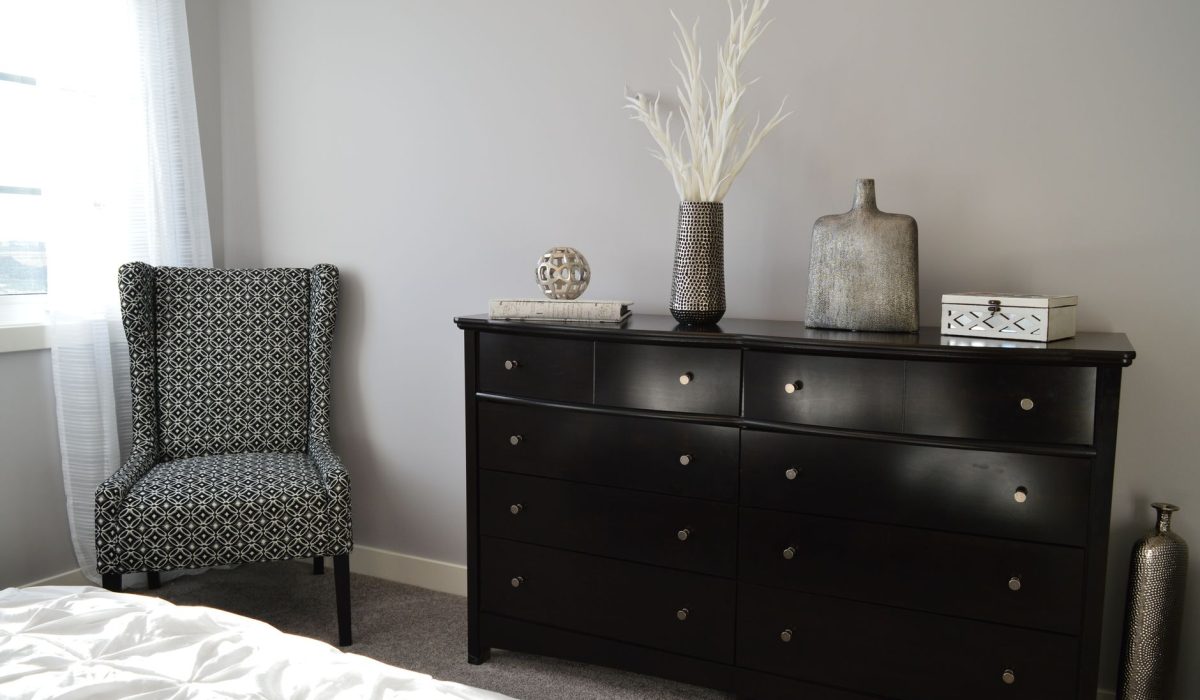
A bedroom dresser does two jobs: it stores clothes, and it sets the visual tone of the room. The incorrect one will make the room look ten years old or blend in with the background. The right one, however, pulls everything together.
Swapping out an outdated dresser is one of the fastest ways to refresh a bedroom without repainting or replacing the bed. These five styles each bring a distinct, current look that changes how the entire room feels.
What Makes a Dresser Look Current
Three details separate a dated dresser from a modern one: leg shape, hardware, and surface finish. Ornate scroll feet, antique-brass bail pulls, and distressed paint read as traditional. Clean legs (or no legs), minimal hardware, and flat or high-sheen surfaces read as contemporary.
1. Mid-Century Modern
Tapered legs and a low, horizontal frame define the mid-century modern dresser and give a bedroom a wider feel. Buyers browsing modern dressers for bedroom makeovers often start with this silhouette because the clean lines suit almost any wall color. Walnut and teak are the standard finishes, and both add warmth to a room without competing with the bedding.
The typical height sits around 32 to 34 inches. That lower profile leaves more visible wall space above the dresser, which keeps the room from feeling boxed in. Brass or satin-gold drawer pulls are a common pairing that stays true to the original era.
2. Wall-Mounted Floating
A floating dresser mounts directly to the wall with no legs touching the floor. The open gap underneath makes a small bedroom look noticeably larger and turns vacuuming into a single pass.
Most floating models run 48 to 60 inches wide and hang on a French cleat screwed into the studs. Weight capacity matters here. Check the cleat’s rating before loading the drawers with heavy items like denim and knitwear.
White, matte black, and light oak are the most popular finishes. A matte surface hides wall-mount hardware better than a glossy one.
3. Minimalist Slab-Front
Slab-front dressers use flat, handle-free drawer faces that open with a push mechanism. The absence of visible hardware turns the piece into a clean rectangular volume that almost disappears against a matching wall.
This style works in nearly any color. A matte white version blends into a light-toned bedroom, while charcoal or navy anchors a neutral space. The smooth surface also collects far less dust than recessed-panel or molding-heavy alternatives.
Slab-front drawers rely on quality glides. Soft-close, full-extension slides keep the drawers quiet and protect the push-latch mechanism over time.
4. Natural Wood With Live Edge
A live-edge dresser keeps the raw, uncut contour of the original tree along one or both sides. Each piece has a slightly different grain pattern and shape, so no two are identical.
Light species like ash and maple suit bright, airy bedrooms. Darker woods like black walnut sit better in rooms with warm, earthy wall tones. The organic profile pairs well with a simple bed frame and neutral linens.
A clear coat of polyurethane or hardwax oil protects the exposed edge without hiding the grain. Annual reapplication keeps the wood from drying out or cracking.
5. High-Gloss Lacquer
A high-gloss lacquer finish reflects light and gives a dresser a polished, gallery-like surface. The sheen sharpens the lines of the piece and brightens a dim bedroom noticeably.
White and black are the most common colors for this finish. Deep tones like emerald and navy have gained ground in recent years. The reflective surface does show fingerprints, so a microfiber wipe-down every few days keeps it looking sharp.
Pair a high-gloss dresser with matte nightstands or a textured rug to balance the sheen. Too many glossy surfaces in one room flatten the visual depth.
Conclusion
Before picking a style, measure the wall where the dresser will sit and note the ceiling height. A low mid-century piece needs horizontal space; a floating dresser needs reinforced wall framing behind it. Match the finish to whatever already lives in the room: flooring tone, nightstand hardware, and closet trim.
The best fit echoes those existing materials rather than ignoring them. That single choice separates a bedroom that feels complete from one that reads like a showroom floor.