
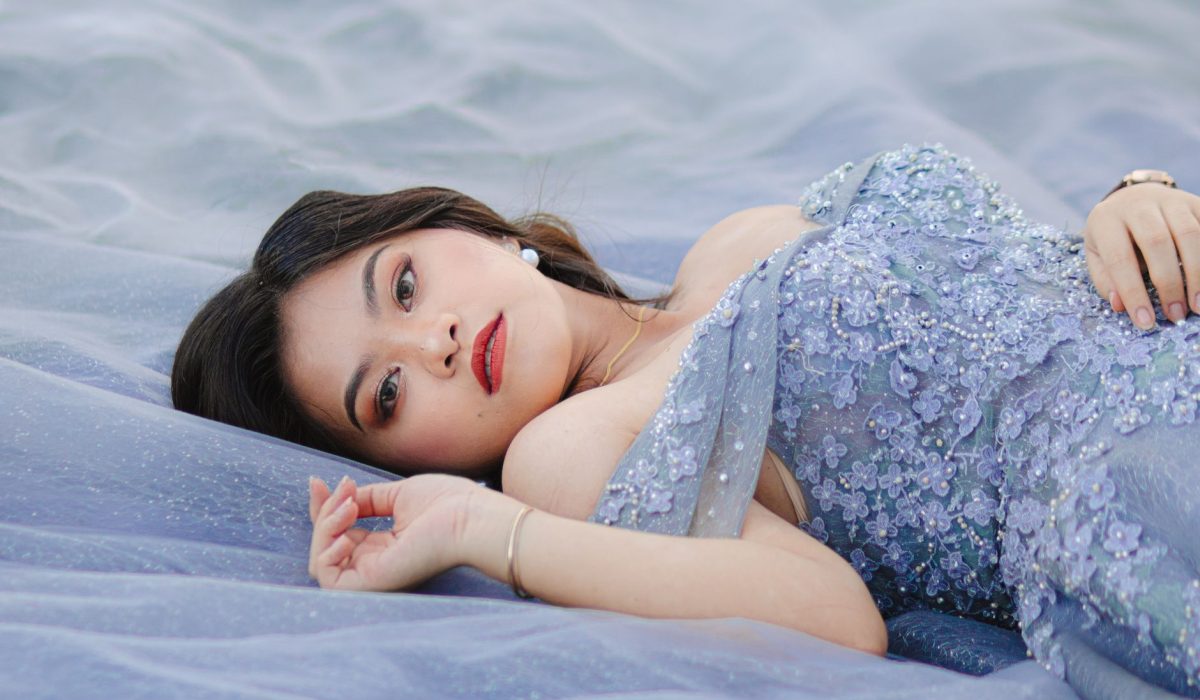
Choosing a formal evening gown requires more than just an attractive colour or a dramatic silhouette. The right dress matches the event, fits the wearer’s proportions, and allows comfortable movement throughout the occasion. Fabric, neckline, length, construction, and finishing details all affect how polished the final look appears.
A considered choice also prevents last-minute alterations or awkward styling decisions. These practical checks provide a clear starting point before comparing specific gown styles. The checks make fitting appointments more productive and reduce surprises later.
Before selecting a gown, shoppers should compare several formal silhouettes rather than judging one photograph in isolation. Cut, fabric, colour, and embellishment all affect how a dress looks under evening lighting.
The Mascara London dresses range includes gowns in black, lemon, mint, ink, silver, berry, olive, champagne, navy, wine, and airforce. The inspected collection lists prices from £215 to £395. That range gives shoppers a clear starting point for budget planning.
1. Check the Dress Code
The invitation determines the appropriate level of formality. Black-tie events usually suit a floor-length gown, while some evening receptions permit a refined midi dress. A formal venue also affects fabric and styling choices.
A gown with a clean, structured shape suits a conservative setting. Satin, velvet, chiffon, and crepe each create a different finish under artificial light. The chosen fabric should match the season, venue temperature, and expected movement.
Length deserves practical attention. The hem should skim the floor without catching beneath the shoe. A professional fitting can establish the correct length after the final heel height has been chosen.
2. Assess the Silhouette
The silhouette should follow the wearer’s preferred proportions and the occasion’s level of movement. An A-line skirt creates room through the lower half, while a fitted column shape gives a straighter outline.
A sweetheart neckline draws attention upwards, whereas a bateau neckline creates a higher, more covered finish. Strapless styles require secure internal support, particularly during dancing or extended standing.
Sleeve length also affects comfort and balance. Cap sleeves provide light coverage, while full-length sleeves create a more formal appearance. The gown should sit smoothly without pulling across the bust, waist, or upper arms.
3. Examine the Construction
Good construction appears in the details that keep a gown comfortable and secure. Seams should lie flat, zips should move cleanly, and lining should remain smooth against the skin.
Internal support matters for strapless and close-fitting designs. Boning, shaped cups, and waist panels help a gown retain its intended line. These components should support the body without pinching or restricting breathing.
Embellishment needs close inspection. Beading and embroidery should sit evenly, with no loose threads or rough edges that catch on skin, hosiery, or accessories. A well-finished gown remains comfortable after several hours.
4. Prioritise Fit And Movement
A formal gown should look composed while the wearer stands, walks, sits, and raises an arm. A fitting should therefore include several movements rather than a single pose in front of a mirror.
The bust seam must rest in the correct position, and the waist should sit without twisting. Excess fabric around the back often signals a fit issue, while tightness across the hips restricts walking.
Shoes should be worn during the fitting whenever possible. The correct heel changes the posture, hem length, and skirt movement. A small alteration can improve the final fit, but major changes require professional advice before purchase.
5. Plan The Complete Look
Accessories should support the gown’s shape rather than compete with its detail. A heavily beaded bodice usually needs simpler jewellery, while a plain neckline allows for a more distinctive necklace or earrings.
The bag should hold essentials without interrupting the gown’s line. A small clutch in a related shade keeps the appearance coordinated. Shoes should match the event’s formality and remain comfortable for the planned duration.
Hair and make-up also affect the neckline. An updo exposes a high back or detailed shoulder line, while loose hair softens a strapless or open neckline. Mascara’s collection includes embellished and streamlined designs, so styling choices should follow the gown’s main feature.
Conclusion
The best formal evening gown combines the correct dress code level with a flattering silhouette, dependable construction, and comfortable movement. Colour and decoration matter, but fit determines how confidently the gown performs throughout an event.
Before buying, the wearer should test the dress with the intended shoes, inspect internal support, and sit, walk, and raise both arms. A fitting appointment should end with a clear alteration plan, accessory choice, and realistic comfort check.