How Radiation Therapy Fits Into Modern Cancer Treatment Plans
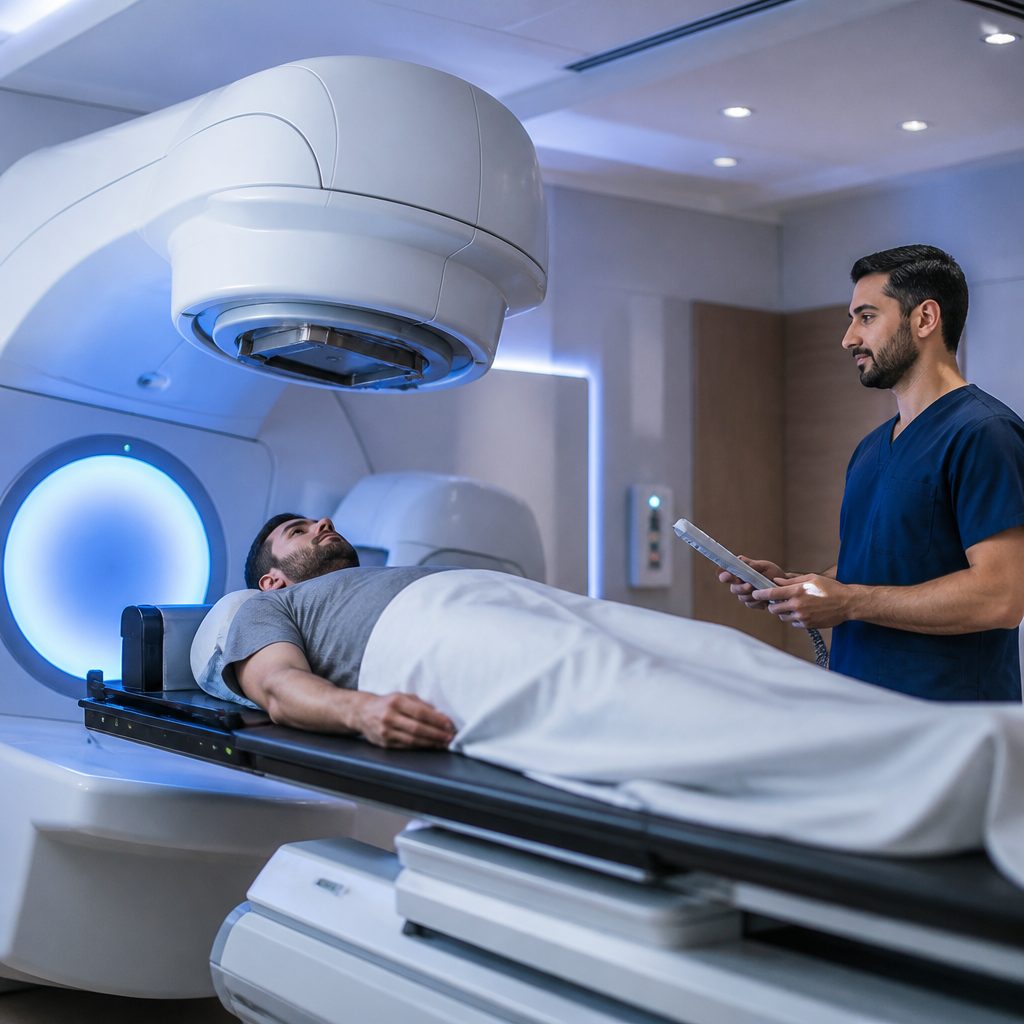
When you receive a cancer diagnosis, understanding your treatment options becomes one of the most critical steps in your journey. Radiation therapy stands as one of the three pillars of cancer treatment, alongside surgery and chemotherapy, yet many patients remain unclear about when it's used, how it works within a broader treatment strategy, and what to expect from the process. Rather than serving as a standalone intervention, radiation therapy often works best as part of a coordinated, multidisciplinary approach tailored to the specific type, stage, and location of cancer.
The Role of Radiation in Comprehensive Cancer Care
Radiation therapy uses high-energy particles or waves to destroy or damage cancer cells by targeting their DNA. The treatment can be delivered externally through machines that direct beams at precise locations, or internally through radioactive materials placed near or inside tumors. What makes radiation particularly valuable is its ability to target localized disease while preserving surrounding healthy tissue when administered with modern precision techniques.
According to medical research, approximately half of all cancer patients receive radiation therapy at some point during their treatment. The timing and purpose vary considerably depending on individual circumstances. Some patients receive radiation before surgery to shrink tumors, making them easier to remove. Others undergo treatment after surgery to eliminate remaining cancer cells. In certain cases, radiation serves as the primary treatment when surgery isn't feasible due to tumor location or patient health factors.
When Treatment Plans Combine Multiple Approaches
Modern oncology recognizes that cancer rarely responds to a single intervention. Most treatment plans integrate multiple modalities, each addressing different aspects of the disease. Radiation therapy frequently pairs with chemotherapy in a strategy called chemoradiation, where both treatments work synergistically. The chemotherapy can make cancer cells more vulnerable to radiation, while radiation handles localized disease that systemic chemotherapy might miss.
For patients in the Middle East seeking advanced cancer treatment, comprehensive centers offer integrated care teams that coordinate these complex protocols. Radiation therapy in Abu Dhabi through specialized cancer institutes brings together radiation oncologists, medical oncologists, surgeons, and support staff who collaborate on each case, ensuring that radiation treatment aligns with surgical plans, systemic therapy schedules, and the patient's overall health goals.
Personalization Based on Cancer Type and Stage
The decision to include radiation therapy depends heavily on cancer characteristics. Breast cancer patients, for instance, typically receive radiation after lumpectomy to reduce recurrence risk in the breast tissue. Head and neck cancers often require radiation as a primary treatment because surgical removal could cause significant functional impairment. Prostate cancer might be treated with radiation alone, surgery alone, or a combination depending on risk factors and patient preferences.
Stage plays an equally important role. Early-stage cancers might need only radiation and surgery, while advanced cases could require systemic chemotherapy to address potential spread before radiation tackles the primary tumor. Lymphoma and certain other blood cancers use radiation for specific masses while relying primarily on chemotherapy for systemic disease control.
Treatment Schedules and Daily Realities
Radiation therapy typically follows a fractionated schedule, meaning the total dose is divided into smaller daily treatments over several weeks. A common pattern involves five sessions per week for six to seven weeks, though this varies widely. Some aggressive cancers require twice-daily treatments, while certain early-stage cases might complete treatment in five sessions using stereotactic techniques.
Each session lasts roughly 15 to 30 minutes, with most of that time spent positioning the patient precisely. The actual radiation delivery takes only a few minutes. Patients don't feel the radiation itself, and they can drive themselves to appointments and maintain relatively normal activities between sessions. However, cumulative effects build over the treatment course, and fatigue often increases in the later weeks.
Managing Side Effects Throughout Treatment
Side effects from radiation depend primarily on the treatment area. Radiation to the head and neck can cause mouth sores, dry mouth, and difficulty swallowing. Chest radiation might produce esophagitis or breathing changes. Pelvic radiation often affects bowel and bladder function. Skin reactions in the treatment field resemble sunburn and typically peak toward the end of the treatment course.
Most acute side effects resolve within weeks after treatment ends, though some late effects can emerge months or years later. Modern radiation techniques significantly reduce these risks by minimizing dose to surrounding organs. Intensity-modulated radiation therapy shapes beams to conform precisely to tumor contours, while image guidance ensures accuracy across multiple sessions even as internal anatomy shifts.
Nutritional Support During Treatment
Maintaining adequate nutrition becomes particularly challenging during cancer treatment, especially when radiation affects areas involved in eating or digestion. Patients undergoing head and neck radiation often struggle with swallowing, while those receiving abdominal radiation may experience nausea and altered appetite. Working with oncology dietitians helps patients adapt their eating patterns to maintain strength and support healing. Similar principles apply to those managing weight and nutrition in other medical contexts, such as individuals exploring whether sustainable dietary approaches can support long-term health goals.
Coordinating With Other Specialists
Effective cancer care requires seamless communication among multiple specialists. Radiation oncologists work closely with diagnostic radiologists who provide imaging to guide treatment planning, with pathologists who determine cancer characteristics that influence dose decisions, and with surgical oncologists to time interventions optimally. Palliative care teams address symptoms and quality of life throughout treatment, while genetic counselors might identify hereditary factors that affect treatment choices.
This coordination extends to survivorship care as well. After completing radiation, patients transition to surveillance protocols involving regular imaging and clinical exams. Understanding potential late effects allows care teams to monitor for and address complications early. Some patients require ongoing hormone therapy, targeted drugs, or immunotherapy alongside surveillance, making continued multidisciplinary collaboration essential.
Making Informed Decisions About Your Treatment
Patients benefit most when they understand not just what treatment involves, but why specific approaches are recommended for their situation. Ask your oncology team about the goals of radiation in your case: Is it intended to cure disease, prevent recurrence, or manage symptoms? What would happen without radiation? What are the realistic expectations for outcomes and side effects?
Understanding the interplay between radiation and other treatments helps you prepare mentally and practically for the journey ahead. Treatment plans evolve based on how cancer responds, so flexibility and ongoing communication with your care team remain crucial throughout the process. The integration of radiation therapy into comprehensive cancer treatment represents decades of refinement, and modern approaches continue improving outcomes while reducing the burden on patients navigating one of life's most challenging experiences.