What Cafe Owners Weigh Before Investing in Commercial Espresso Gear
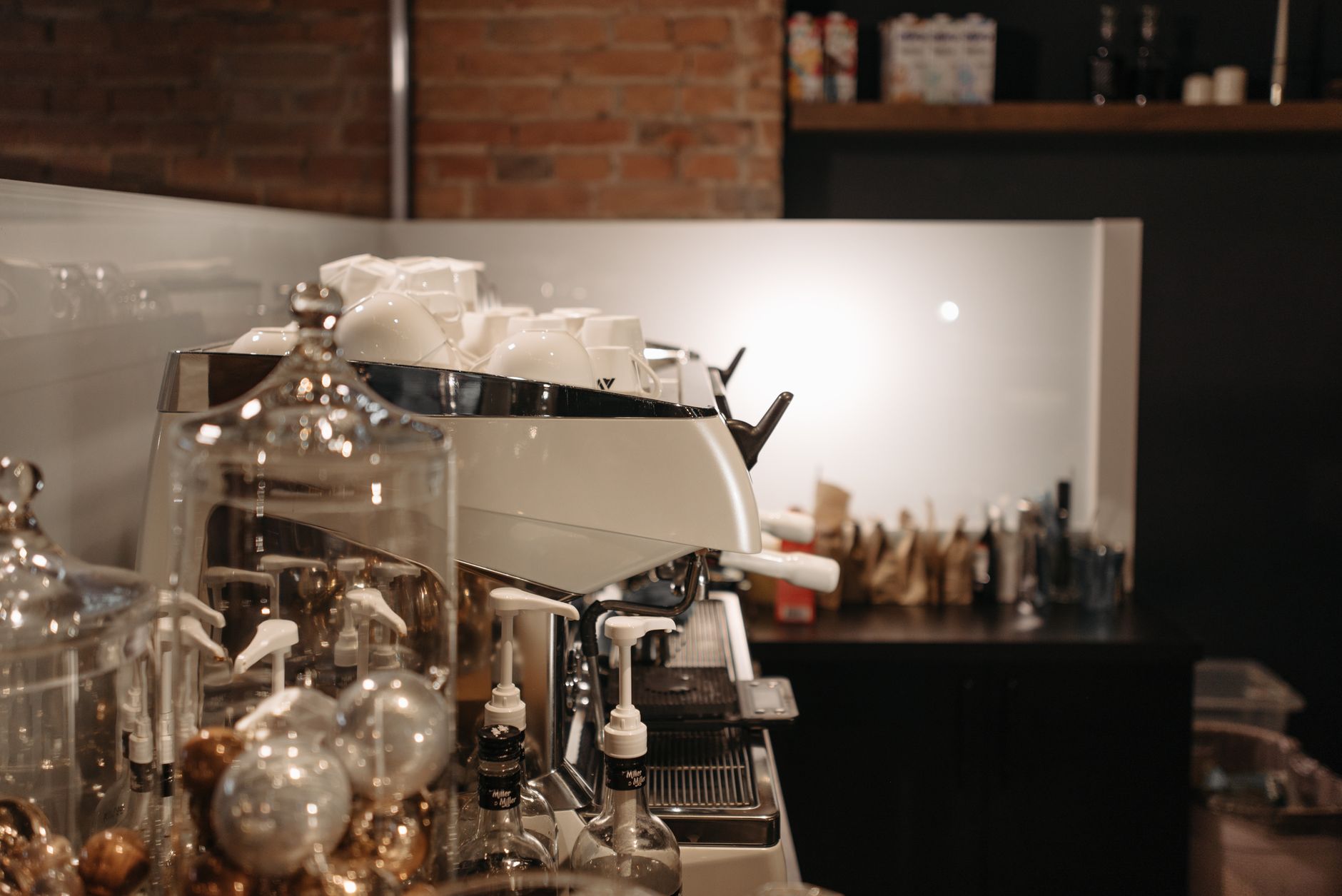
Cafe owners assess more than shot quality before investing in commercial espresso equipment. The machine must match projected drink volume, counter space, staff skill, water conditions, cleaning routines, and available capital. A lower purchase price can create higher labor or maintenance costs when equipment suits the wrong workflow.
Careful evaluation protects consistency during rush periods, when delays affect revenue and customer retention. The decision starts with identifying the operating demands the machine must meet.
Online research gives owners a practical starting point for comparing machine formats, boiler arrangements, control systems, and service requirements.
Expected Volume and Peak Demand
Daily drink counts provide a useful starting point, but peak demand often determines the appropriate machine size. A cafe that serves moderate traffic across eight hours still needs fast recovery during morning orders.
A focused category search, such as how to buy a commercial espresso machine online, helps narrow choices by commercial use rather than household convenience. Owners should compare each model against expected volume, available utilities, training capacity, and repair access before approving a purchase.
Owners need to make an educated guess as to how many people will be working the station, how often milk will be steaming, and how many drinks will be served at once. A machine that struggles during the busiest 15 minutes creates queues, rushed preparation, and inconsistent drinks.
Workflow and Machine Configuration
The number of groups affects how many espresso orders employees can prepare together. A single-group machine suits limited service, while a multi-group configuration supports parallel work during busy periods.
Automatic dosing, programmable pre-infusion, and volumetric controls reduce repeated manual steps. Manual controls give experienced baristas more direct input, but they also require consistent training and closer attention during each shift.
Water, Power, and Counter Space
Water quality affects flavor, scale buildup, and component life. Owners should test the cafe’s water and confirm the required filtration system before approving a purchase.
Electrical requirements also need review because commercial machines often require dedicated circuits. Measurements should include provision for machine and grinder placement, staff clearance, ventilation, and maintenance access.
A compact counter does not remove the need for workable spacing. Baristas need room to load portafilters, steam milk, set cups, and move safely around nearby equipment.
Total Ownership Cost
The purchase price covers only one part of the financial decision. Owners should calculate installation, filtration, electrical work, water treatment, cleaning products, routine service, and replacement parts.
Energy use also affects operating expenses, particularly when the machine stays heated throughout the business day. A lower initial price does not automatically produce lower ownership costs.
Financing terms deserve the same attention as equipment pricing. Monthly payments should fit realistic sales forecasts without reducing funds for payroll, rent, ingredients, or repairs.
Staff Training and Drink Consistency
A machine should match the experience level of the people using it. Complex controls require more training, while automated settings simplify repeatable preparation for new employees.
Training must cover grind adjustment, dosing, tamping, milk texture, cleaning, and basic fault recognition. Written procedures help employees follow the same steps during opening, service, and closing shifts.
Consistency also depends on the grinder. Espresso equipment cannot correct an unsuitable grind, uneven dosing, or stale coffee, so the grinder belongs in the same purchasing discussion.
Cleaning and Service Access
Every commercial machine requires daily cleaning, backflushing, group-head care, steam-wand cleaning, and regular inspection. Owners should confirm who will complete each task and how long the routine takes.
Service access matters because downtime affects drink production and sales. Before buying, an owner should identify authorized technicians, parts availability, warranty conditions, and expected response times.
A machine that is difficult to clean often receives poor maintenance during busy weeks. Simple access to removable components supports better routines and helps employees spot problems earlier.
Capacity for Future Changes
Business plans can change after opening. A cafe might add breakfast service, extend hours, introduce more milk drinks, or expand its seating area.
Owners should compare present demand with a reasonable growth plan without paying for capacity that sits unused. The right choice leaves room for measured growth while protecting cash flow.
A written comparison makes the decision clearer. Recording volume, utility needs, training demands, ownership costs, and service arrangements allows owners to judge equipment against daily operations.
Conclusion
Commercial espresso equipment deserves a business review before receiving budget approval. Owners should measure peak demand, map the bar workflow, verify utilities, calculate ownership costs, and confirm service support. Staff ability and cleaning time deserve equal attention because both affect daily consistency.
The next step is to create a one-page purchasing checklist, collect verified machine details, and compare each option against actual cafe conditions rather than relying on price alone.