
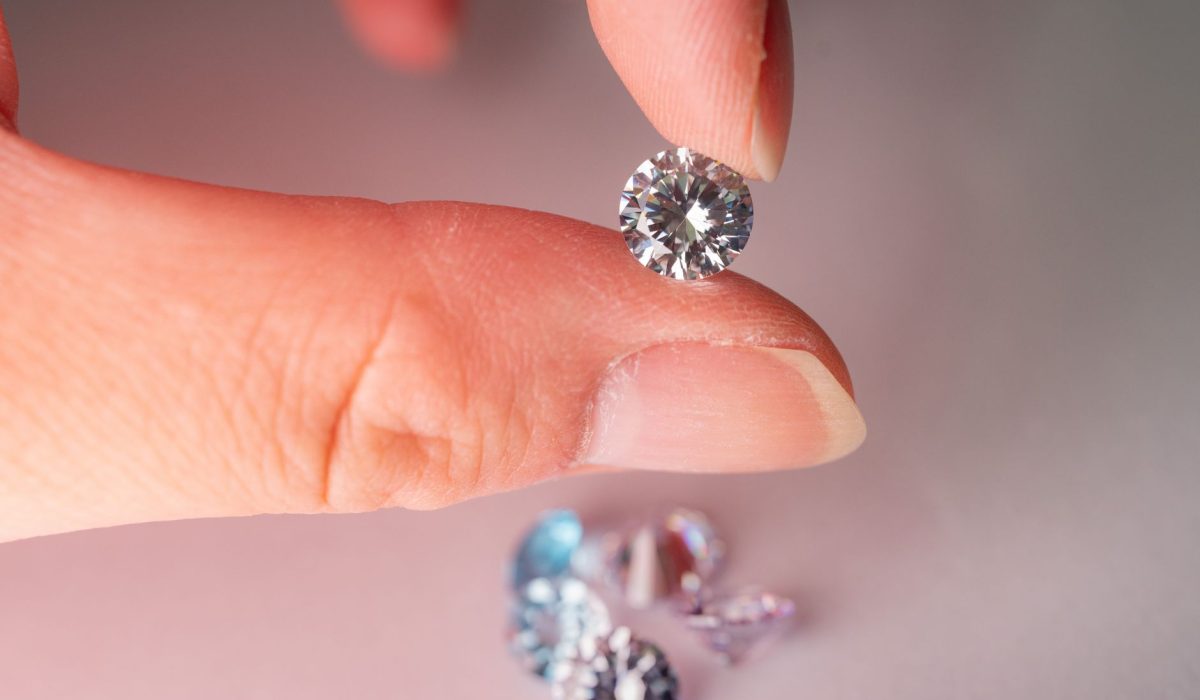
Some buyers love the clean, geometric look of an emerald cut. Others want the fiery sparkle of a round brilliant. The radiant cut gives you both in one stone. It has a square or rectangular outline with trimmed corners, paired with brilliant-style faceting that throws off intense light.
That combination has made the radiant cut lab diamond one of the most talked-about choices for engagement rings and statement jewelry. This guide explains what makes the shape special, how to choose a well-cut stone, and which settings bring out its best qualities.
What Is a Radiant Cut Diamond?
The radiant cut was introduced in the late 1970s. It was the first rectangular or square shape to carry full brilliant faceting on both the top and bottom of the stone. Most radiant cuts have about 70 facets, which is more than the 58 found on a standard round brilliant.
Its signature feature is the cropped, or beveled, corners. These angled corners soften the outline and also make the stone less likely to chip than a shape with sharp points, such as a princess cut.
When the stone is grown in a lab, nothing about the shape changes. A lab-grown diamond has the same chemical makeup, hardness, and optical properties as a mined diamond. The cutter shapes and polishes it the same way, so the sparkle and structure are identical.
Why Choose a Radiant Cut Lab Diamond?
There are several reasons this pairing works so well.
Maximum Sparkle in a Modern Shape
A radiant cut reflects light in a lively, crushed ice pattern. It delivers far more brilliance than step-cut shapes like emerald or Asscher, while keeping a sleek, linear outline.
Good at Hiding Small Inclusions
All those facets break up light and make small inclusions harder to see. That means you can often choose a slightly lower clarity grade than you would need for an emerald cut and still get an eye-clean look.
Looks Larger for Its Weight
Elongated radiants spread across the finger, so they often look bigger face up than a round diamond of similar carat weight.
Better Value With Lab-Grown Stones
Radiant cuts can use a good amount of rough material, and larger sizes add up quickly in cost. Choosing a radiant cut lab diamond keeps the price far more reasonable, which makes it easier to reach a bigger stone or higher grades.
Understanding Length to Width Ratio
The ratio compares a diamond’s length to its width. It is the single biggest factor in how a radiant cut looks.
A ratio between 1.00 and 1.05 creates a square radiant. It feels balanced and compact, with a crisp modern edge.
A ratio from about 1.10 to 1.20 gives a slightly rectangular stone. It is a soft middle ground that works well for buyers who cannot decide between square and long.
A ratio of about 1.25 to 1.40 creates the classic elongated radiant. This is the most popular range for engagement rings because it lengthens the finger and shows off the shape clearly.
There is no right or wrong ratio. It comes down to personal taste and hand shape. Longer ratios tend to flatter shorter fingers, while square shapes suit people who want a bold, structured look.
How to Judge Quality
Fancy shapes like the radiant cut generally do not receive a single overall cut grade on a lab report the way round diamonds do. That means you need to look a little closer.
Proportions
Check the depth and table percentages on the grading report. A radiant that is too deep can look smaller from the top and hold its weight underneath. One that is too shallow can lose brilliance and appear glassy. Many buyers look for a depth in the low to mid 60s as a percentage and a table in a similar range.
Polish and Symmetry
Look for Excellent or Very Good grades for both. Good symmetry keeps the facets aligned so light returns evenly across the stone.
Color
Radiant cuts can hold a bit of color in their corners. For white gold or platinum, a G or H color is a strong choice. In yellow or rose gold, warmer grades can still look lovely.
Clarity
Thanks to the brilliant faceting, VS2 or even SI1 stones can look clean to the eye. Always check the report or high-quality images to confirm no inclusions sit right in the center.
Certification
Buy radiant cut lab diamonds with an independent report from the International Gemological Institute (IGI) or the Gemological Institute of America (GIA). The report confirms the stone is lab-grown and lists its measurements, ratio, and grades.
Best Settings for a Radiant Cut
The right setting protects those cropped corners and highlights the shape.
Solitaire
A radiant solitaire on a simple band keeps attention on the stone’s outline and sparkle. Four prongs placed at the corners hold the diamond securely and show off its clean lines.
Hidden Halo
A row of small diamonds beneath the center stone adds sparkle from the side without changing the look from the top. It pairs beautifully with an elongated radiant.
Halo
A full halo traces the rectangular outline and makes the center stone look even larger. It suits buyers who love maximum glamour.
Three Stone
Tapered baguettes, trapezoids, or small pear shapes on either side create a refined, balanced ring. The geometric side stones echo the radiant’s clean edges.
Pavé Band
A pavé band adds extra brilliance along the finger and works with nearly any radiant ratio.
Choosing a Metal
White gold and platinum give a crisp, icy look that matches the radiant’s modern style. Yellow gold creates a warm contrast and has become very popular with elongated radiants. Rose gold adds a soft, romantic tone. For daily wear, 14K gold offers a good balance of strength and color, while platinum provides natural whiteness and lasting durability.
Where to Shop for a Radiant Cut Lab Diamond
Buy from a jeweler that shares full grading details and backs its work. La Joya Jewelry offers IGI-certified lab-grown diamonds in solitaire, halo, hidden halo, and three-stone designs, crafted in white, yellow, and rose gold or platinum. Buyers set on a specific shape or look can work with the team on a custom ring, complete with CAD previews before production.
Every piece comes with a lifetime warranty, and purchases over $400 include a free 3-year Jewelers Mutual care plan covering prong tightening, resizing, and stone replacement due to a faulty setting. Free shipping and 30-day returns make it easy to shop with confidence.
Caring for Your Radiant Cut
The many facets on a radiant cut can collect oil and dust, which dulls sparkle faster than you might expect. Clean the ring every week or two with warm water, mild soap, and a soft brush, focusing on the underside of the stone. Have the corner prongs checked once a year to keep the diamond secure.
A Shape Built to Shine
A radiant cut lab diamond blends modern structure with brilliant sparkle, and it does so at a price that makes larger, cleaner stones easier to reach. Choose a ratio that suits your style, check proportions and symmetry closely, and pick a setting that protects the corners. The result is a ring that catches light from every angle and feels distinctly your own.