
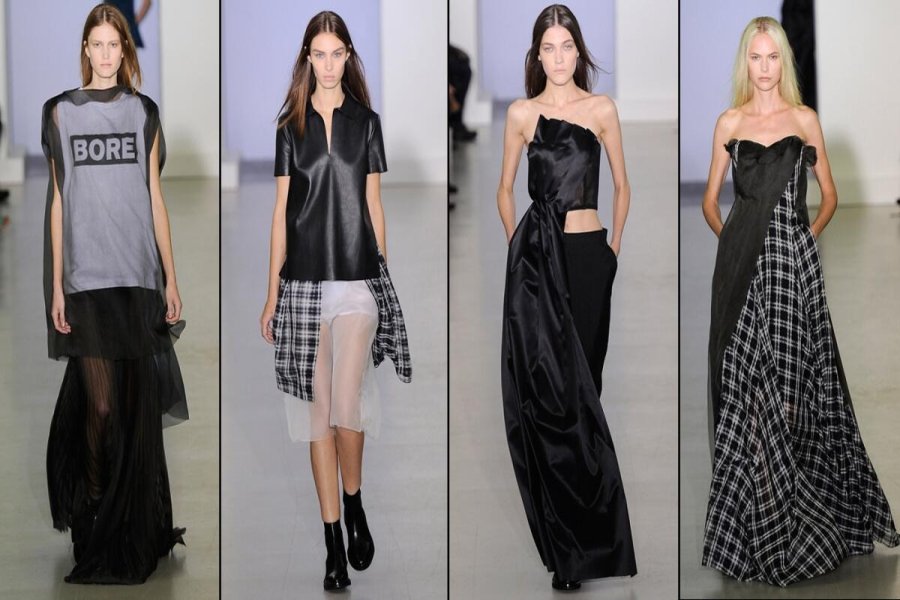
Fashion and Fascinating history goes hand in hand. Behind every fabric choice, silhouette or accessory is a story that often shocks us. Clothing is not only concerned with appearances. It reflects culture, power, love, war, technology and even rebellion. When we take a closer look at fashion history, we see interesting details which shaped modern style in odd ways.
From secret messages sent through hand fans, to high heels worn by men, the world of fashion has always been more complicated than it might at first seem. Some trends started as practical solutions, while others have been born from politics, romance or pure creativity. These stories demonstrate how for style is not just about what we wear but why we wear it.
Interesting Origins of Fashion Terms and Trends
Many of the types of terms we use in fashion today have unusual origins. Take the tuxedo, for example. The word originates from Tuxedo Park, an exclusive social enclave in New York City where the style became popular among men of wealth in New York during the late nineteenth century. Over time the name of the place became the name of the garment.
The bikini has an even stranger origin. It was named after Bikini Atoll (the site of nuclear testing in the 1940s). The designer hoped the swimsuit would produce an “explosive” reaction similar to the effect of atomic tests. The name stuck and today it is among the most recognized styles of swimwear across the globe.
The mini skirt also has an unexpected story behind it. It was not just because of its shortness that it was named after the Mini Cooper car. The 1960s person who made it fashionable was a fan of the car’s bold and youthful energy, which was fitting for the garment. The mini skirt became an icon of the liberation of women and the transformation of social standards in that decade.
Even the phrase “mad hatter” has a connection to the world of fashion. In the past, mercury was used by hat makers in the felting process. Prolonged exposure to mercury caused neurological damages, resulting in erratic behavior. This created expression, and would later inspire characters in literary work.
These are all examples that show that fashion terminology can have a greater historical significance. What appears to be ordinary now may have begun as something that was radical or controversial.
Hidden Messages and Symbolic Style
In the earlier centuries, wearing clothes used to be a language in itself. During the Victorian times, women used fans not only to keep them cool but also to communicate secret romantic messages. The way a fan was held or moved could indicate whether one was interested, rejected or curious. In formal society, this was a silent code that made for discreet communication.
Embroidery had symbolic weight also. Young women of higher classes made elaborate embroidery works called samplers. These works demonstrated patience, talent and dedication. In many instances, they subtly advertised a woman’s suitability for marriage. Fine needlework implied discipline and refinement which were highly prized in the day.
Buttons on the women’s clothes were traditionally on the left side. One explanation gives this design choice made it easier for servants to dress wealthy women, because most people are right handed. Though this custom is still exercised today, the original purpose of the custom is a reflection of a period when fashion reflected social hierarchy.
Logos and branding also became great signs. Lacoste was the first brand to have the visible logo, the iconic crocodile, right on a garment. Before then, labels were concealed inside clothing. This move transformed the industry as it transformed the brand identity into a visible status symbol.
Fashion has never only been about appearance. It has been a signifier of class, romance, power and personal identity in subtle, yet meaningful ways.
When War and Power Were the Factors Altering Fashion
Historical events have caused dramatic changes in style trends. In World War II, fabric rationing limited the production of clothing. Women adapted creatively. When nylon stockings were no longer available, some drew lines down the back of their legs with their eyeliner to mimic pantyhose seams. This little show of action proved the strength and the inclination to keep elegance in difficulties.
Wigs also worked out from a tale of power and image. Louis 13 of France started to wear wigs to hide the hair loss and to project power. The fashion took off among the elites of Europe, and eventually, the judges started wearing large, powdered wigs as an element of formal wear. A solution for the individual became a symbol of status and tradition.
High heels offer one other surprising example. Originally worn by both men and women, heels were linked with power and riding horses. Elevated shoes helped to hold feet in stirrups. Over time, high heels became a piece of fashion that belonged to women, but their beginnings were nothing to do with delicate shoes or decorative elements.
Japanese warriors also wore hairstyles as utilitarian fashion. By shaving their heads on the front and tying the rest into a small ponytail, they got helmets to sit tightly. What seemed to be style was actually a very practical military solution.
These stories emphasize how necessity, authority and conflict often determine what people wear.
Weird and Discomforting Fashion Trends
Not all fashion history is glamorous. Some trends were highly uncomfortable and even damaging. In medieval Europe, footwear known as crakowes or poulaines had exaggerated pointed ends that might stretch several inches beyond the foot. While fashionable for their time, these types of shoes contributed to a problem of foot deformities called bunions.
Tight corsets, heavy wigs and constrictive clothes were also common in different times. People were more than willing to give up comfort in order for beauty and social acceptance. Fashions often required stamina.
Handbags, surprisingly, were formerly used as the tools to attractiveness. In some eras, women carried decorative bags, not necessarily for practical reasons, but to attract the eye of a potential suitor. Accessories tended to have a romantic connotation.
These strange and sometimes painful trends remind us that beauty standards are always changing. What one generation perceives to be elegant, another may perceive as impractical.
The Evolution of Modern Style
As the society moved on fashion became more accessible and expressive. The result of industrialization was that people produced clothes faster and cheaper. Garments became expressions of identity as a result of branding. Media and celebrity culture helped to magnify trends at unprecedented velocity.
Today, we have more diversity and individuality in fashion than ever before. While some traditions have stayed the same, like formal suits and gowns, many of the obsolete traditions have faded. Comfort, sustainability and individual expression are now the drivers for many of the decisions about style.
Yet the fascinating roots of fashion are still apparent. Many modern runways make reference to historical silhouettes. Designers Retrace Vintage Styles. Even streetwear is inspired by military uniforms or by aristocratic tailoring.
Understanding these origins gives us a greater appreciation for what we wear. Fashion is not random. It is embedded with stories of creativity, rebellion, survival, and innovation, and tools like snapjotz com can help organize and explore these evolving fashion insights more effectively.
Final Thought
Fashion and Fascinating history says that clothing is never just a piece of fabric stitched together. It carries the messages, reflects the changes taking place and sometimes hides surprising secrets. From nuclear test sites lending their names to swimsuits to WW2-era eyeliner serving as a substitute for stockings, style has always reflected the world around it.
When we view fashion in a historical perspective, we begin to see more than trends. We see the human resilience, imagination and identity woven through every thread. The next time you pull on a jacket, put on a pair of heels or even a simple T shirt, remember that the past of fashion is full of unexpected twists that continue to figure in the present.
FAQs
What does Fashion and Fascinating mean in context?
It refers to the intriguing and surprising stories behind clothing trends, fashion terminology, and historical style developments.
Why were women’s buttons traditionally placed on the left side?
They were placed on the left to make it easier for right handed servants to dress wealthy women.
How did the bikini get its name?
The bikini was named after Bikini Atoll, the site of nuclear testing, to suggest a bold and explosive impact.
Why did judges wear large wigs?
The tradition began after King Louis XIII wore wigs to appear more powerful, and the style became associated with authority.
What were crakowes or poulaines?
They were medieval shoes with extremely long pointed toes that often caused foot problems.
Did men really wear high heels in the past?
Yes, high heels were originally worn by both men and women and were linked to horseback riding and social status.
How did World War II affect women’s fashion?
During fabric shortages, women improvised by drawing fake stocking seams on their legs to maintain a polished appearance.