What Family Pets Teach Children About Kindness and Routine
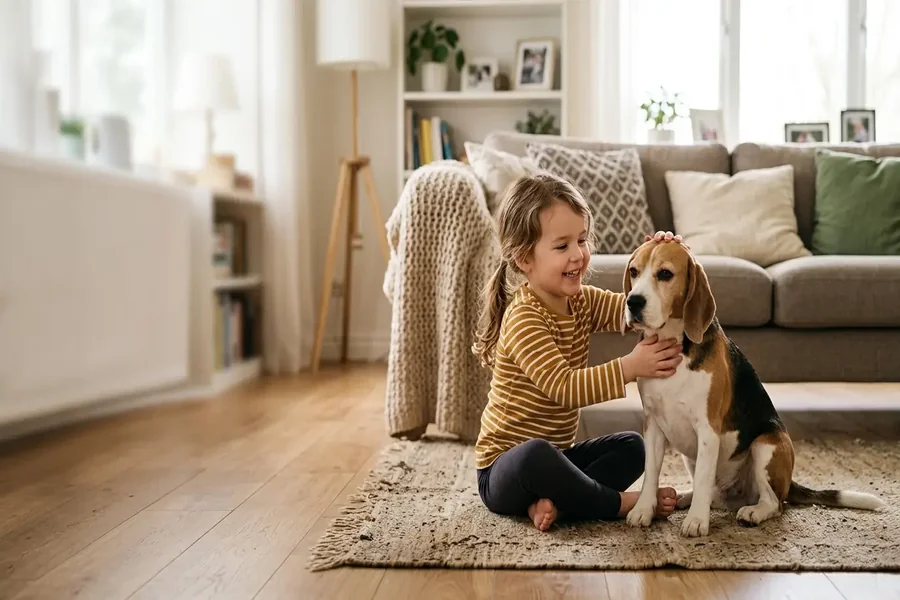
Looking after a family pet gives children daily practice in kindness and routine, mostly through small jobs like refilling a water bowl, noticing when a cat wants to be left alone or taking the dog out at the same time each day. How much a child takes from a pet depends on how much of the care they share and on whether an adult stays involved.
Settling Into a New Home
Pets are part of the conversation when a family applies to Foster Care Associates in Hertfordshire, since the assessment may include a pet questionnaire and a family dog or cat can help a child relax and settle into a new home. A child who has moved house or joined a new family may arrive unsure how the household runs, and an animal needs no explanation, since it eats at set times and responds the same way each day.
Why Set Times Help
Sticking to regular walking and feeding times helps a pet feel settled after a move, and a child who joins in shares the same predictable timetable. Small shared moments, such as sitting on the floor while a cat settles, can give a quiet child something to do beside others without having to talk. A missed walk or a late meal happens in every household, and making it up the next day shows that a routine can restart.
Jobs That Suit Each Age
Give the child one job that suits their age and keep it at the same point in the day, so it becomes a habit rather than a favour. Jobs like these tend to work well at different ages:
- Under five, tipping a scoop of food into the bowl with an adult standing beside them
- Five to seven, topping up the water and putting the bowl away afterwards
- Eight to ten, brushing a coat and helping to choose the route for a walk
- Eleven and over, walking a dog with an adult nearby and keeping an eye on food and water
Teaching Kindness Through Handling
Kindness shows in how a child handles the animal, with gentle hands, a quiet voice and a willingness to leave a cat alone when it walks away. Adults can reinforce that by pointing out what the animal is telling them, for instance that a wagging tail means the dog is pleased to see them, and by praising the gentle handling rather than the finished chore.
Keeping Adults Involved
When a child’s interest fades, parents often end up in charge of the pet, so an adult needs to stay part of the routine from the start. A rota on the kitchen wall keeps feeding, walking and cleaning visible, and a child who sees an adult doing the same jobs treats them as ordinary family tasks.
Start with one small task, keep it at a regular time and let the child see how the animal responds, since that response makes the work feel worthwhile and keeps the routine going once the novelty of a new pet has faded.