From Garage Walls to Man Caves: Decorating With Collectible Souvenir License Plates
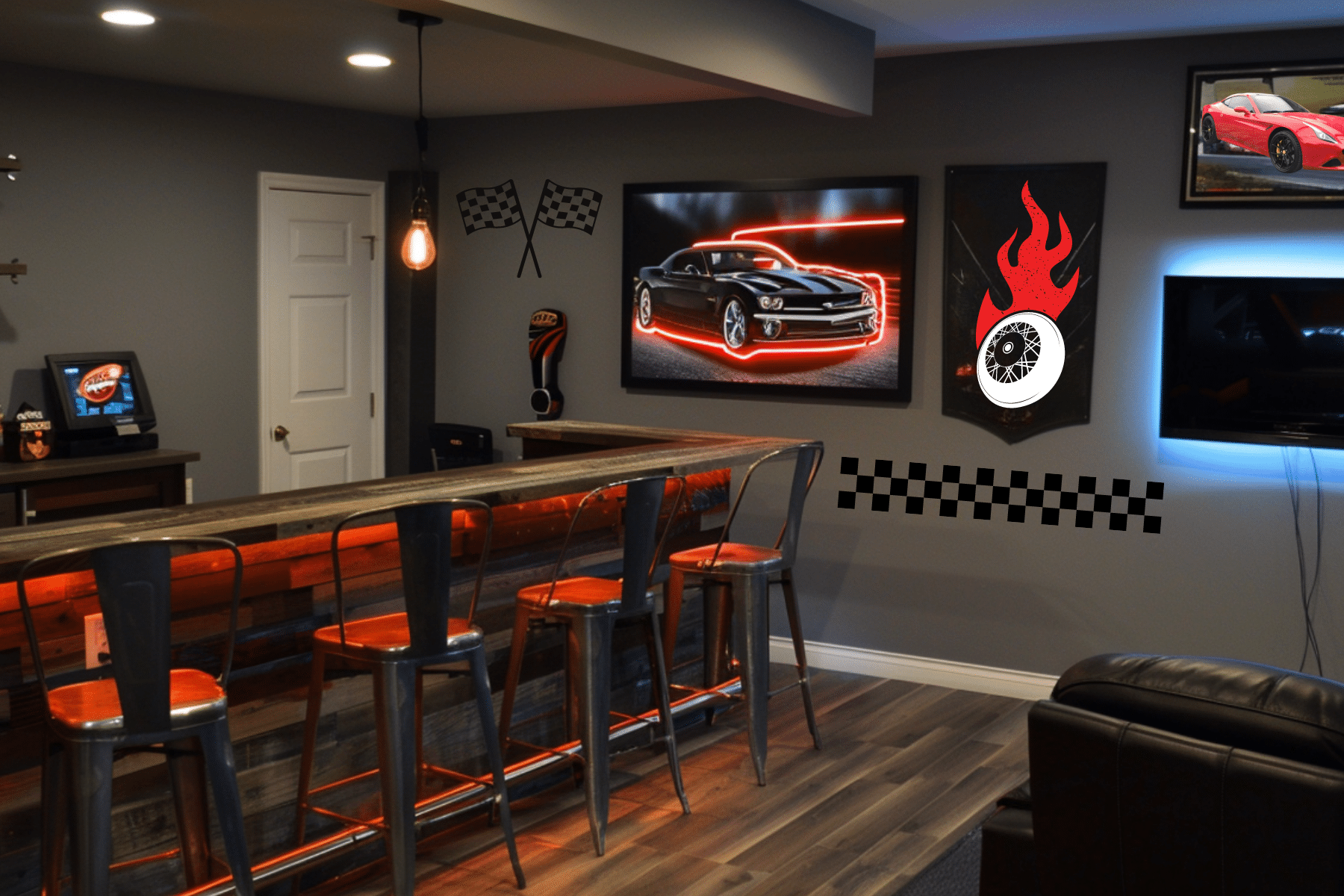
Collectible souvenir license plates turn a bare garage wall into a record of places, memories, and personal interests. Their compact size makes them easy to arrange, while bold lettering and regional graphics add color without overwhelming the room. A thoughtful display also works beyond a garage, fitting a game room, workshop, office, or basement bar. The best results come from choosing a clear theme, planning the layout, and protecting each plate.
Choose A Clear Theme
A collection gains character when each plate has a reason for being there. Regional plates connect a room to road trips, family roots, or places someone hopes to visit. A focused selection of Puerto Rico license plates can introduce Caribbean color, Spanish-language lettering, and distinctive island identity without turning the wall into visual clutter. Surrounding plates should support that theme with related colors, travel memories, or vintage styling.
Before buying anything, decide whether the wall should tell a travel story, display a collection, or support a room’s theme. A travel story benefits from plates tied to specific destinations and dates. A collection needs consistent criteria, such as state, territory, decade, or color. A themed room benefits from plates that echo its purpose, including racing, fishing, music, or roadside travel. This decision prevents random purchases from weakening the display.
Build A Balanced Layout
Measure the available wall before arranging the plates. Record its width and height, then leave room around doors, shelves, workbenches, and electrical panels. A paper template cut to the plate’s size makes testing easier than repeatedly moving hardware. Lay templates on the floor first, photograph the arrangement, and adjust the pattern until the spacing looks balanced. This process also reveals whether the display needs a single row, a grid, or an asymmetrical cluster.
Spacing affects how viewers read each piece. Leave enough wall between plates so that individual borders and lettering remain visible. Equal gaps create a clean grid, while varied gaps create a looser travel wall. Aligning plate edges along one baseline gives an irregular group structure. Place larger plates near the center or lower portion, where their scale will not overpower smaller pieces.
Use Spacing To Guide Attention
Material and condition should guide placement. A clean plate with crisp lettering deserves a position near eye level, where visitors can inspect its details. Older pieces with scratches or faded surfaces create useful contrast beside newer reproductions. Keep plates with similar finishes together when a polished appearance matters. Grouping by finish also helps control glare from overhead fixtures, which can obscure reflective surfaces in the evening.
Color provides another organizing tool. Red, blue, green, and yellow plates can form a deliberate sequence, or one vivid plate can anchor a mostly neutral arrangement. Background colors should complement the wall rather than disappear against it. On a dark wall, pale lettering needs direct lighting; on a light wall, darker borders improve definition. Test the arrangement in daylight and at night before drilling.
Install Plates For Long-Term Display
Hardware should match the wall surface and the plate’s weight. Short screws suit wood panels, while masonry requires surface-rated anchors. Use washers beneath screw heads to spread pressure and reduce movement. A level keeps rows straight, but an intentional offset can make a mixed collection feel less rigid. Check every fastener after installation, especially on a garage wall exposed to vibration, temperature changes, or frequent door movement.
Protective choices also affect longevity. Indoor placement avoids rain, road salt, and direct weather exposure, but garages still collect dust and moisture. Wipe plates with a soft, dry cloth, and avoid abrasive cleaners that can scratch printed surfaces. Keep cardboard packaging away from damp floors. If condensation appears, improve ventilation and move the display away from uninsulated exterior walls until you resolve the problem.
Connect The Display To The Room
A plate wall can connect with the rest of a room through small supporting details. A wood shelf can hold travel books, framed maps, or tools that match the display’s purpose. A narrow strip of paint behind the plates separates them from a busy wall without requiring a full renovation. Repeated colors in cushions, storage bins, or lighting create visual links, while restraint keeps the plates as the main subject.
Conclusion
Collectible souvenir license plates work best when each piece has a clear place and purpose. A focused theme, measured spacing, suitable hardware, and basic cleaning turn separate objects into a readable wall display. The next step is simple: measure the chosen wall, sort available plates by theme and color, then test a paper layout before making holes. That planning session protects the collection and gives the garage a finished look that feels personal rather than accidental.